
 Book a Call
Product messaging
Every “No” Is a Script: How to Pitch Your Product Like a Pro
Most small business owners do not have a product problem. They have a communication problem.
The clarity gap
Incredible products can still sit untouched.
I have seen incredible products sit on tables at markets, beautiful websites with zero conversions, and social media accounts full of “We’re here!” posts that go nowhere.
The clarity gap happens in person and across your digital presence. It shows up at market booths, on product signs, on websites, in online ordering platforms, and in the first few seconds someone spends with your social media.
Why? Because the pitch is not clear.
If someone cannot understand what you do, why it matters, and why they should care in seconds, they move on. This is how to fix that.
1. The problem
What pain are you solving?
If your pitch starts with what you sell, you have already lost. People do not buy products. They buy solutions to problems.
Your job is to clearly define that problem.
Weak pitch
“We sell handmade dog treats.”
Stronger pitch
“Most dog treats are full of fillers and ingredients that upset sensitive stomachs, or contain things dogs should not have.”
Now you have attention. You are speaking directly to real concerns your customer already has.
Real-world example
The objection is the pitch being handed to you.
I own a small bakery for dogs, and I also have a microfarm that sells avocados and citrus. I sell at farmers markets, so a lot of my examples come from real conversations at the table. But the lesson is not limited to dog treats or produce. These same patterns can be used in any business pitch, whether you sell food, services, courses, creative work, consulting, or products online.
When I offer samples, I often hear: “Oh, no thank you, my dog has a sensitive stomach.”
That is not a rejection. That is the problem being handed to you.
They lean in.
Another common objection: “My dog cannot have chicken or poultry.” Again, this is not a no. It is a buying signal.
That line alone pulls people in almost every time.
The point is to listen for the hesitation underneath the words. In any business, the best pitch often starts with the exact concern your customer just handed you.
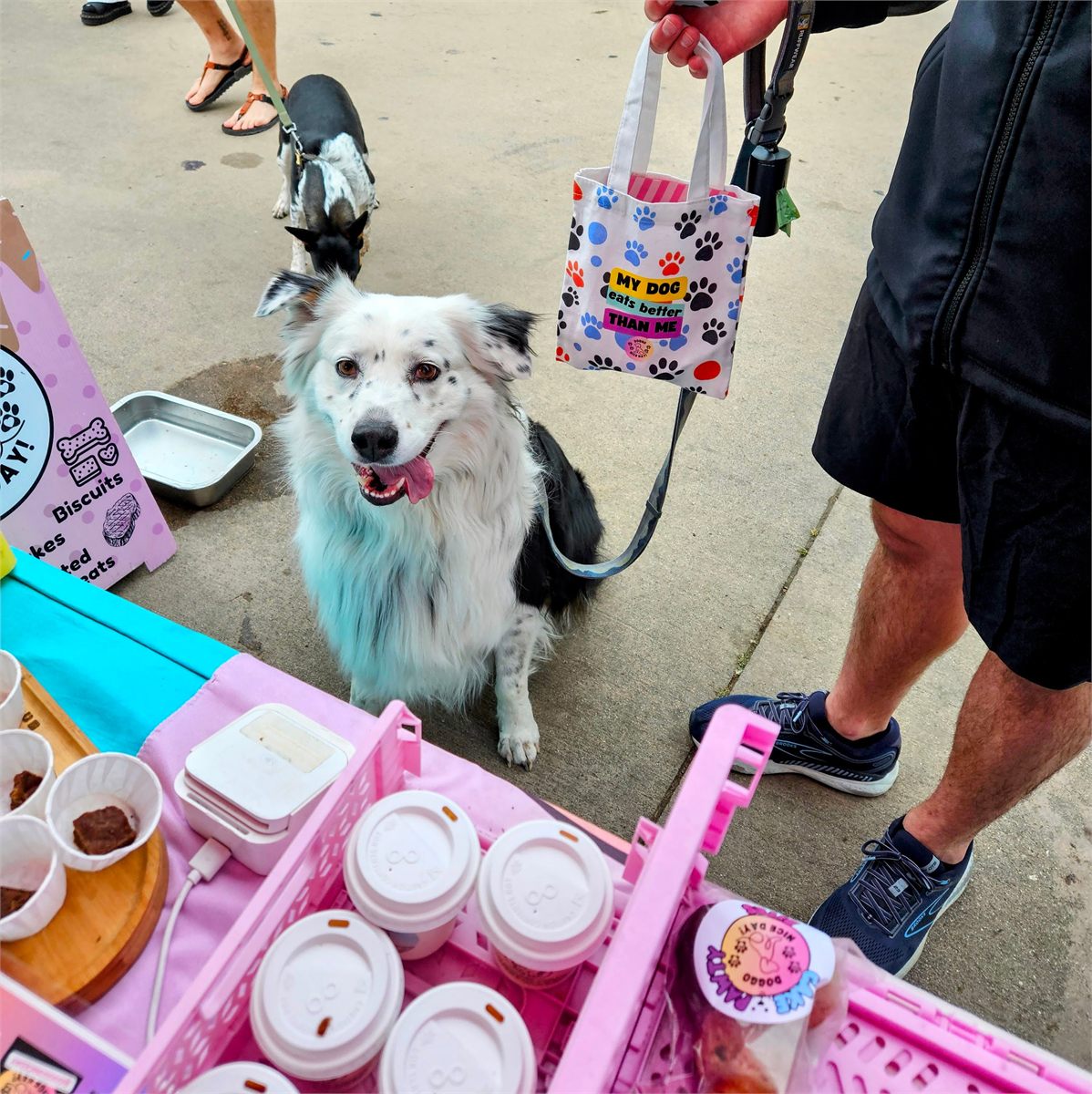
Specific needs build trust
Health concerns are where most vendors freeze.
This is where it gets even more important. You will start hearing more specific health concerns:
- “My dog has pancreatitis and cannot have fat.”
- “My dog has kidney issues and cannot have high protein.”
Most vendors freeze here. This is where you win.
Now you are not just offering treats. You are offering solutions for dogs with real medical needs. That builds instant trust.
2. The solution
What makes you different?
Once you have identified the problem, your product becomes the answer. This is where most people get vague, and vague does not sell.
Weak
“We offer high-quality products.”
Strong
“We make small-batch, belly-friendly dog treats using simple, human-grade ingredients: no fillers, no artificial junk, no poultry, and options for dogs with specific dietary needs.”
That is specific. That is clear. That is believable. And it directly connects to real objections.
I also love pointing out that the frosting on my pupcakes is actually mashed potatoes, and even the sprinkles are made with vegetable powders. They look like decadent treats, but they are actually healthy, and every ingredient is chosen carefully.

Connect each objection
That is not marketing. That is understanding your customer.
Sensitive stomach
Simple ingredients.
Poultry allergies
No chicken. No eggs.
Pancreatitis
Low-fat or no-fat options.
Kidney issues
Low-protein options.
3. The elevator pitch
Say it in one breath.
Clear. Direct. Memorable.
Selling niche crafts
A niche product still needs a clear pitch.
This same strategy works outside of food. My daughter sells handmade RPG-themed items, which are very niche, but the niche also has a huge following. She makes character plush dolls, gaming kits, jewelry, suncatchers, dice accessories, and more.
The mistake many niche makers make is assuming the audience already understands the value because the items are cool. But even in a fandom, your pitch still has to answer: Who is this for? What moment does it solve? Why is this one special?
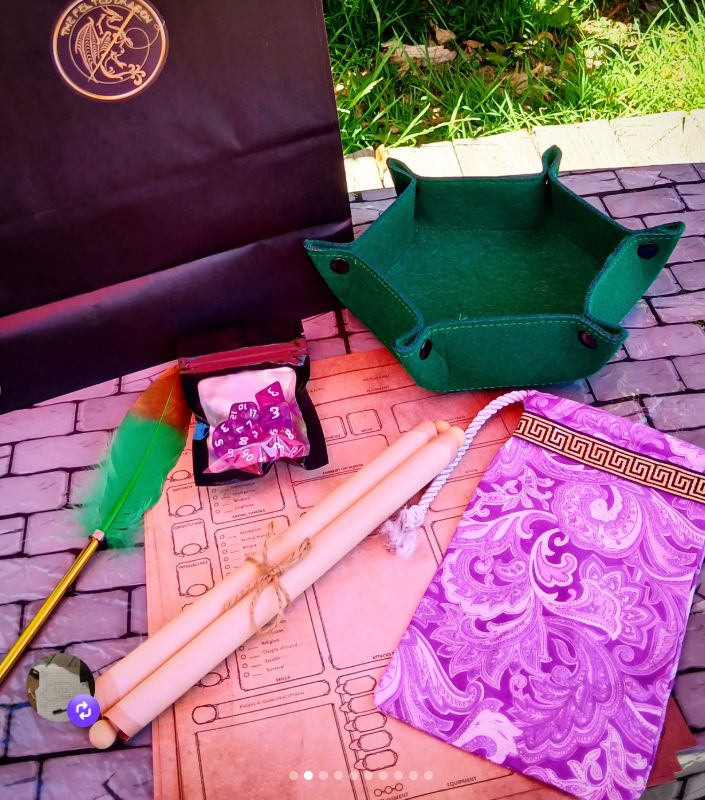
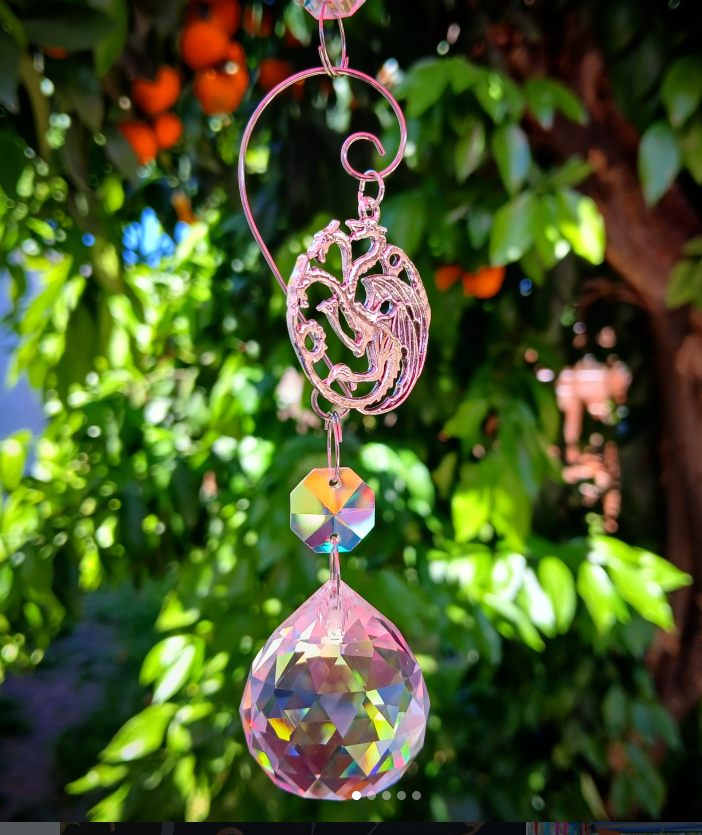
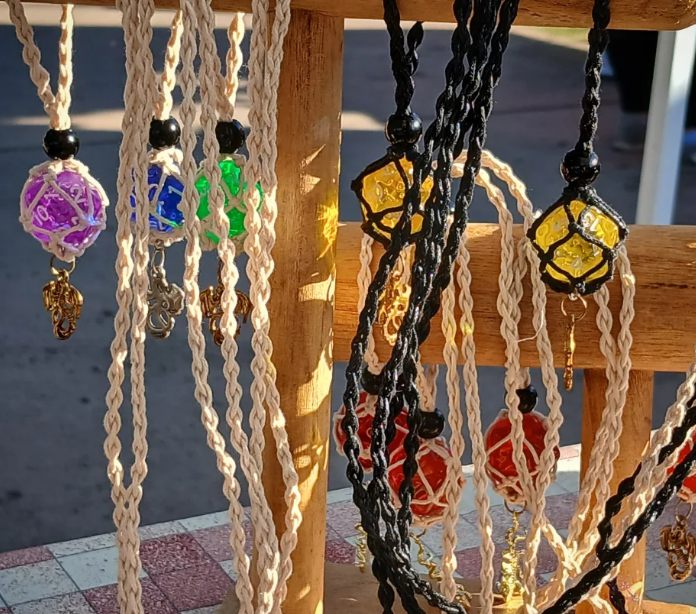
Players want more than supplies.
They want a character moment, a table ritual, a gift that feels personal, or a beautiful object that lets them carry the game into everyday life.
Make the niche feel intentional.
Handmade D20 necklaces, custom dice-and-gemstone options, suncatchers, comics, dice sets, and beginner bundles become easier to sell when each item is tied to identity, play, gifting, or starting a campaign.
“I do not know what to buy.”
That is not a no. That is the opening for a guided offer: “If they are new to RPGs, the Beginner Gaming Bundle gives them everything they need to start playing in one giftable kit.”
“I want something personal.”
Now the custom D20 necklace matters: new dice, gemstones, color meaning, and character inspiration make the piece feel made for a specific player, not pulled from a generic fantasy shelf.
Digital creatives
Creators need a pitch too.
This applies just as much to digital creatives: podcasters, content creators, filmmakers, photographers, editors, writers, streamers, educators, and anyone selling creative work online.
The weak pitch is usually a job title: “I have a podcast,” “I make videos,” or “I am a filmmaker.” That tells people what you do, but not why they should care.
Do not pitch the format.
Weak: “I host a podcast.” Stronger: “I help small business owners learn from real founder stories so they can avoid common mistakes and feel less alone.”
Pitch the audience transformation.
Weak: “I post lifestyle content.” Stronger: “I help busy parents find realistic routines, products, and ideas that make daily life feel more manageable.”
Sell the story outcome.
Weak: “I make short films.” Stronger: “I create emotionally grounded films that help brands, artists, and organizations make people feel something fast.”
Sell the relief.
Weak: “I edit videos.” Stronger: “I help creators turn rough footage into clear, watchable content that keeps people engaged and ready to follow, subscribe, or buy.”
Online courses
Do not pitch the course. Pitch the transformation.
Online courses have the same problem. If your pitch is only “We offer online classes,” people still do not know why they should sign up, what they will be able to do afterward, or whether the course is meant for them.
Specialist courses are a great example because life coaching, technical training, job seeking programs, entrepreneurship courses, business strategy, design, writing, and leadership development can all sound broad or intimidating from the outside. The pitch has to make the problem specific: you are not just selling lessons. You are helping a particular learner solve a particular frustration and move toward a specific outcome.
For example, a job-search course might be built for people who keep applying and getting ghosted, neurodivergent job seekers who struggle with the hidden rules of hiring, workers who have been replaced by AI and need a credible career change, or experienced applicants who feel shut out of the job force because of their age. The pitch should make those people feel seen: they do not just need information. They need structure, confidence, language, and a clear next step.
“We offer job-search courses.”
That names the category, but it does not tell the learner what problem the course solves or what confidence they gain.
“Learn how to apply for better jobs.”
This starts to name the outcome, but it still needs a sharper promise: what is going wrong now, and what changes after the course?
“Go from ignored applications to a clearer, more confident job search.”
Now the student can see themselves in the problem: they are sending applications, getting silence back, trying to explain a career pivot, or navigating a hiring process that feels unclear and exhausting.
Make expertise feel accessible.
For a specialist online course provider, the pitch should communicate credibility without making beginners feel excluded.
This formula can also lead directly into your course content and marketing copy. Use it to write your course description, landing page headline, module summaries, email sequence, promo posts, and sales copy on teaching platforms like Teachable, Udemy, Thinkific, Kajabi, Podia, Skillshare, LearnWorlds, Mighty Networks, Coursera, Maven, and LinkedIn Learning.
4. The backstory
Why you?
People do not just buy what you do. They buy why you do it.
The backstory does not have to be dramatic. It just has to connect your care, your experience, and your choices to something the customer already values.
Most importantly, your backstory should sell the fact that you are making these products for them. It should help the customer feel, “This person understands what I need, what I care about, and why this matters to me.”
Niche gaming crafts
“I started making RPG pieces because I love how personal a campaign can become. I wanted players to have items that feel connected to their characters, not generic accessories from a big-box shelf.”
Candle makers
“I started blending candles because scent can completely change the feeling of a room. I wanted clean, layered fragrances that make a home feel intentional, cozy, and personal.”
Vegan baked goods
“I started baking vegan treats because people with dietary needs should not have to settle for the sad option at the table. I wanted desserts that feel generous, beautiful, and worth choosing, whether you are vegan or not.”
Woodworking
“I started woodworking because I wanted everyday objects to feel sturdy, useful, and beautiful. Each piece is built by hand so it can be used, gifted, and kept for years.”
Life coaching
“I became a life coach because I know what it feels like to be capable but stuck, overwhelmed by choices, or tired of carrying everything alone. I help people turn that pressure into a clearer plan they can actually follow.”
Job-search courses
“I built this course for people who keep applying and hearing nothing back, especially job seekers navigating age bias, neurodivergence, career change, or a market reshaped by AI. I wanted them to have practical language, structure, and confidence for their next move.”
Now it is personal. Now it is credible. Now it matters.
5. Physical energy
Your pitch does not sit behind a table.
You can have the perfect pitch, but if you are waiting for people to come to you, you are losing sales. Your energy is part of your pitch.
Do
Use a clear, friendly opener: “Does your dog have any food sensitivities? I make treats for sensitive stomachs.”
Don’t
Shout generic lines at everyone walking by or keep pushing after someone has already disengaged.
Make eye contact
Signal that you are available before the customer has to work for your attention.
Start conversations
Open the door with a simple, useful line that connects to the product.
Offer samples
Make the first step easy, low-pressure, and sensory.
Respond instantly
Objections are your script. Answer them like you have heard them before, because you have.
6. Labels and displays
Your display should carry part of the pitch.
Your pitch is not only what you say out loud. It is also what your booth, labels, and product signs say before you ever open your mouth.
I have signs for each product that explain what it is, what the ingredients are, and list allergens. That matters because not every customer wants an interaction right away. Some people want to browse quietly, read, compare, and decide whether they are interested before they ask a question.
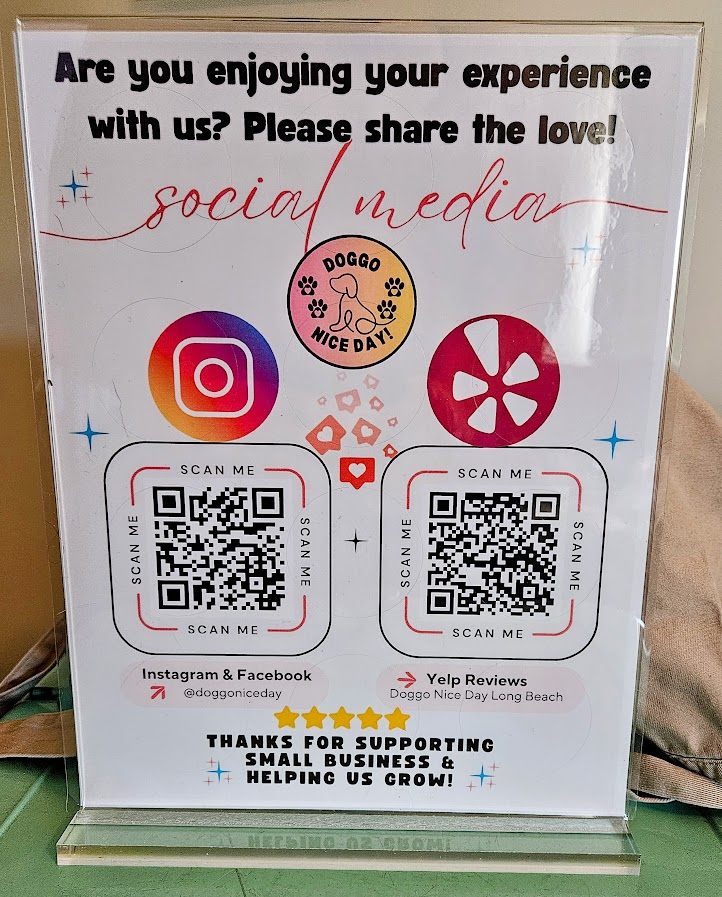
The same rule applies to your digital presence. Your website, restaurant ordering platforms, online menu, social media profiles, Google Business Profile, and delivery app listings should answer the same questions clearly: what it is, what is in it, who it is for, allergens or limits, price, and the next step.
That is not a missed opportunity. That is your display doing its job.
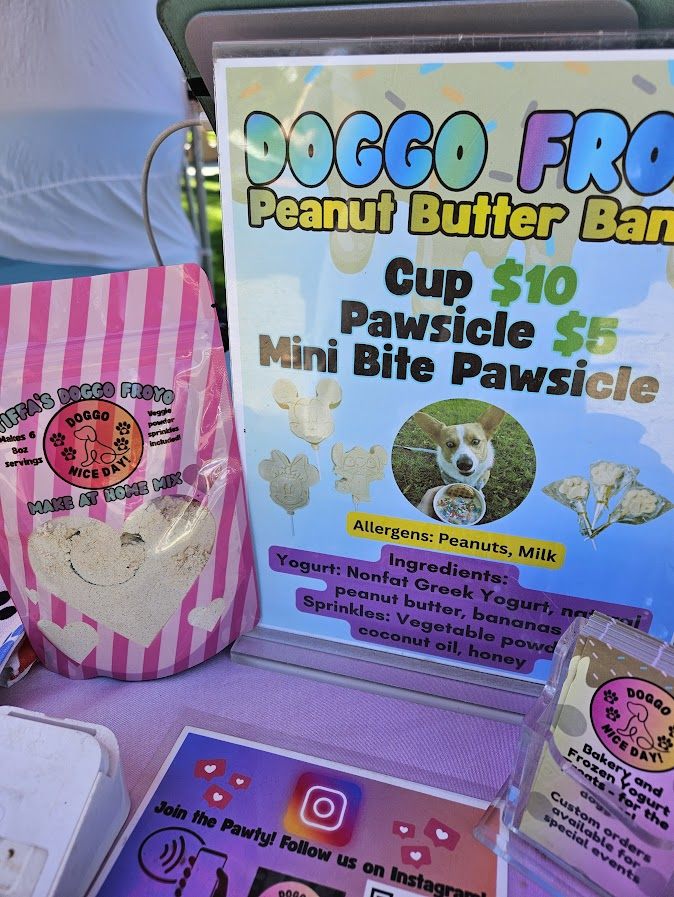
What is it?
Name the product clearly so a customer can understand it in seconds.
What is in it?
List the ingredients that make the product special, safe, useful, or different.
Who is it for?
Connect the product to the customer’s need, whether that is sensitive stomachs, allergies, gifting, or a specific hobby.
What should they know?
Include allergens, dietary notes, sizing, customization options, price, or anything that usually causes hesitation.
It also spares your voice. If you sell at markets, that matters. You should not have to repeat the same basic information 200 times when your display can answer the first round of questions for you.
Putting it all together
A pitch should feel clear, human, relevant, and ready.
“A lot of dog owners struggle to find treats that do not upset their dog’s stomach or trigger health issues. I make small-batch, belly-friendly treats using simple, human-grade ingredients: no fillers, no poultry, and I even have options for dogs that need low-fat or low-protein diets. I started this after dealing with the same issues with my own dog and not finding anything I trusted.”
That is a pitch. It is clear. It is human. It is relevant. It sells.
Final thought
If your product is not selling, it is usually not the product.
It is the message. And more importantly, it is whether you are listening to your customers closely enough to refine that message in real time.
My pitch
Banba Creations helps small businesses turn good products into messages people understand fast.
I help makers, vendors, service providers, and creative entrepreneurs clarify what they sell, why it matters, and how to communicate it across websites, social media, booth displays, product signs, and sales conversations.
If your product is strong but people are not buying, the problem may not be the product. It may be the path between attention and trust. Banba Creations helps build that path with practical strategy, clear copy, stronger visuals, and customer-focused messaging that turns interest into action.
Book a Strategy ReviewCopyright © 2026 Banba Creations LL Digital Media LLC. This article is provided for educational and informational purposes only and may not be copied, reproduced, republished, or distributed without prior written permission.