
Early harvest • Available now through October
Avo Nice Day
Surprise! Our rare avocados are ready early — and now at the farmers markets.
We are CDFA (California Department of Food and Agriculture) certified producers of Pinkerton and Hybrid Pinkerton/Wilma avocados, Meyer lemons, and mandarins.
Our Pinkerton and Hybrid Pinkerton/Wilma avocados are not grocery-store fruit. They are small-batch, tree-loved, silky, buttery avocados from a neighborhood microfarm in Long Beach.
An unusual season has brought an early harvest! Get these silky, buttery beauties now through the end of October. Miss this window, and you will have to wait until our regular season begins again in January.
Rare fruit, very local
Two unusual avocado varieties, grown right here in Long Beach.
Both of our avocado varieties are rare in California, and each one has a character all its own. We grow without pesticides or growth enhancers, relying on naturally fertile soil, seasonal patience, and a bee and butterfly garden filled with indigenous California wildflowers to support natural pollination.
Our avocados
Silky texture, buttery flavor, and a story you can taste.
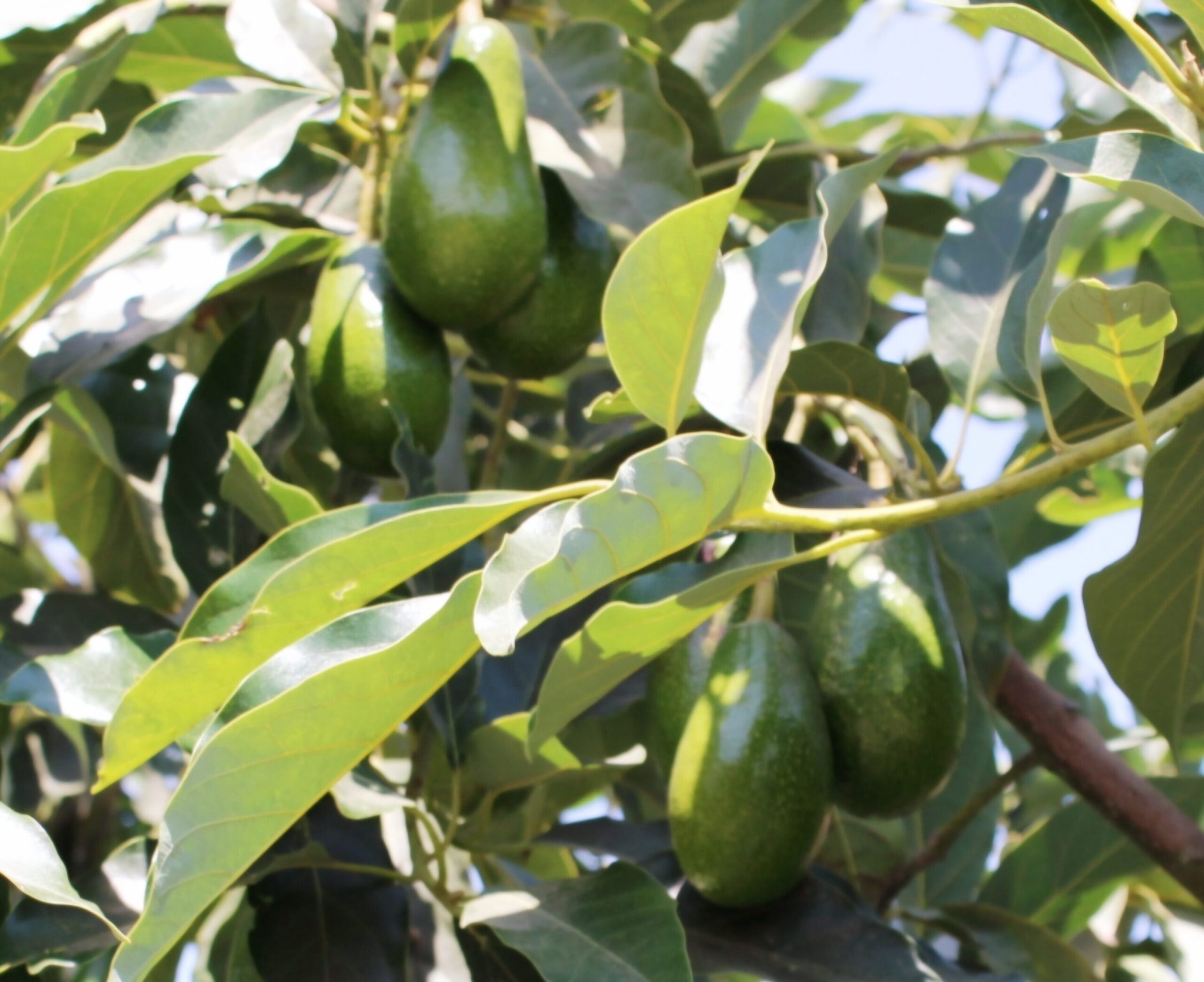
Pinkerton Avocados
Our Pinkertons grow to about one full pound each and come from heritage trees, including one that is over 50 years old. Older avocado trees are special: the longer they have been established, the creamier and more developed the fruit can become. These Pinkertons have a silky texture, a buttery taste, and an unusually generous window of freshness after ripening.
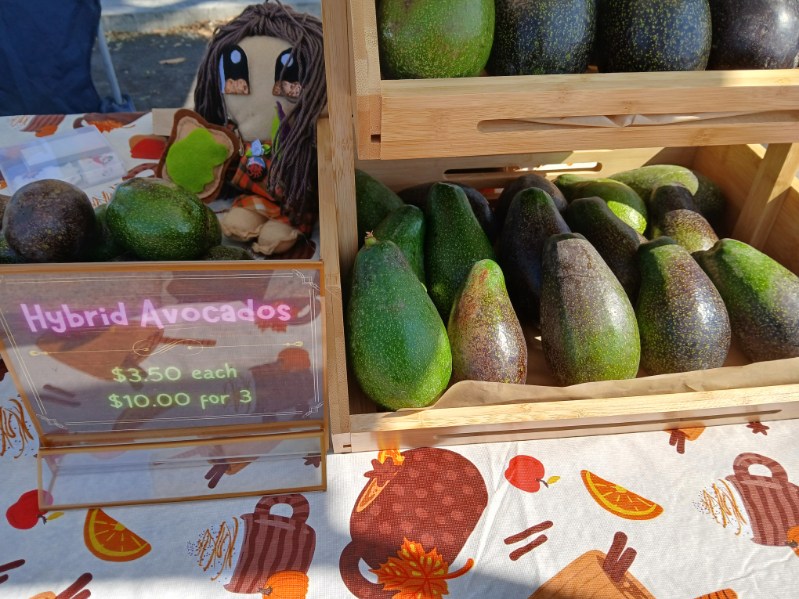
Hybrid Pinkerton/Wilma Avocados
These avocados are especially unique: as they ripen, they turn a deep purple, almost like an eggplant. Their skin is very thin and edible, and the fruit has the same silky texture and buttery flavor we love.
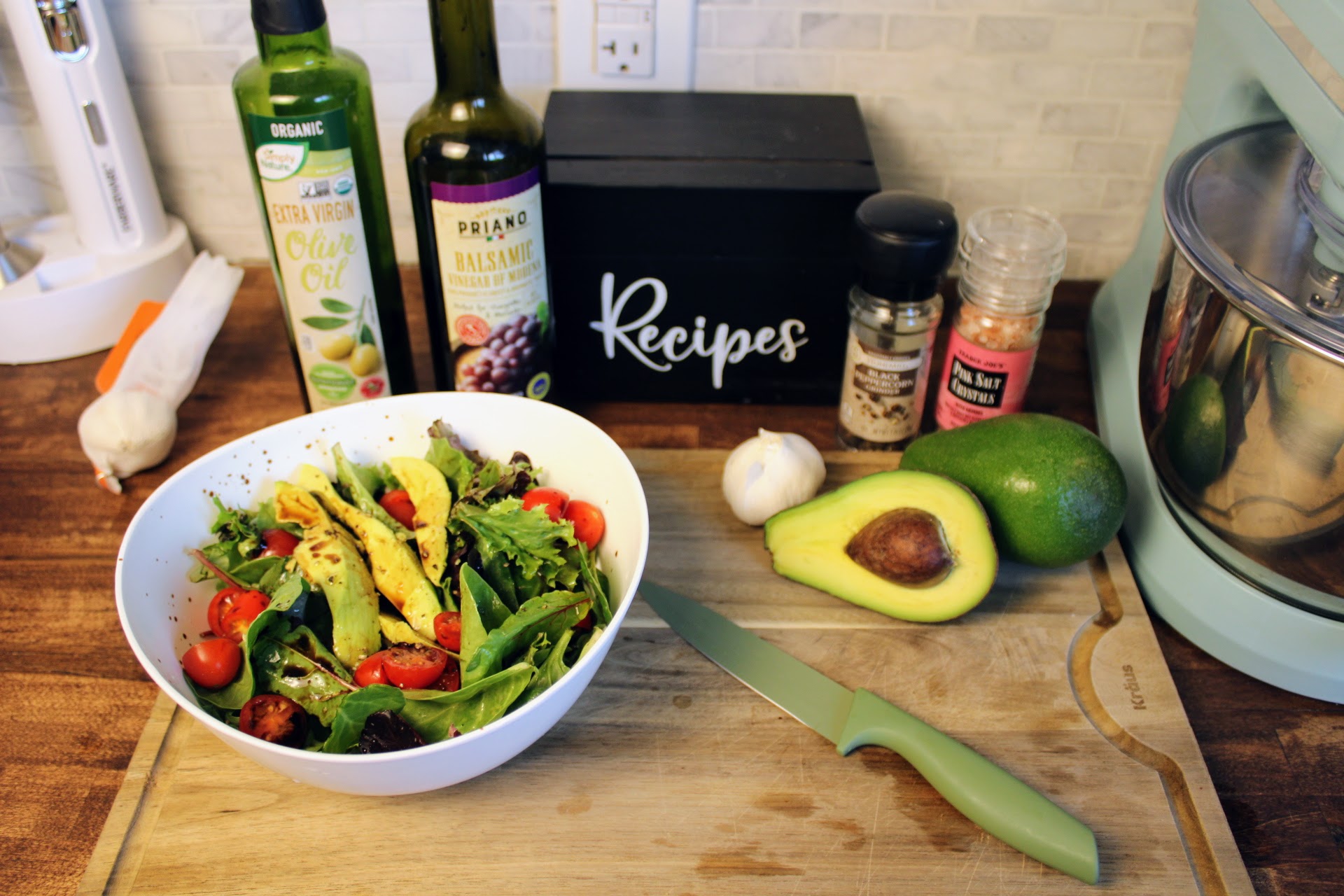
Fresh Beyond Ripening
Unlike many avocados you find in the grocery store, ours stay fresh and edible for several days after they ripen, giving you more time to enjoy them at their best.
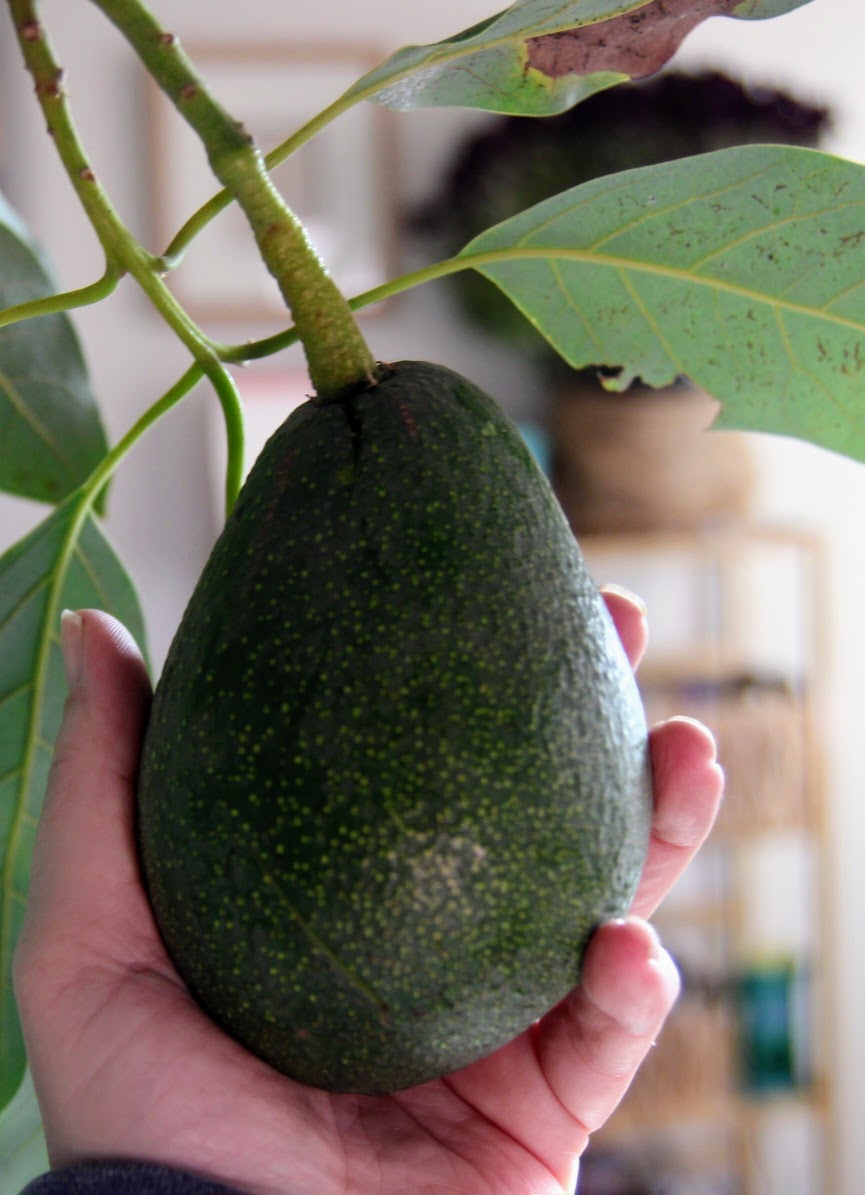
Pinkertons With Real Farmers Market Presence
Our Pinkertons are memorable before you even cut them open. Many grow to about one full pound each, with the creamy, silky texture and buttery flavor that make heritage trees so special.
Also from our trees
Meyer lemons and mandarins bring extra sweet, juicy, and fragrant sunshine to the harvest.
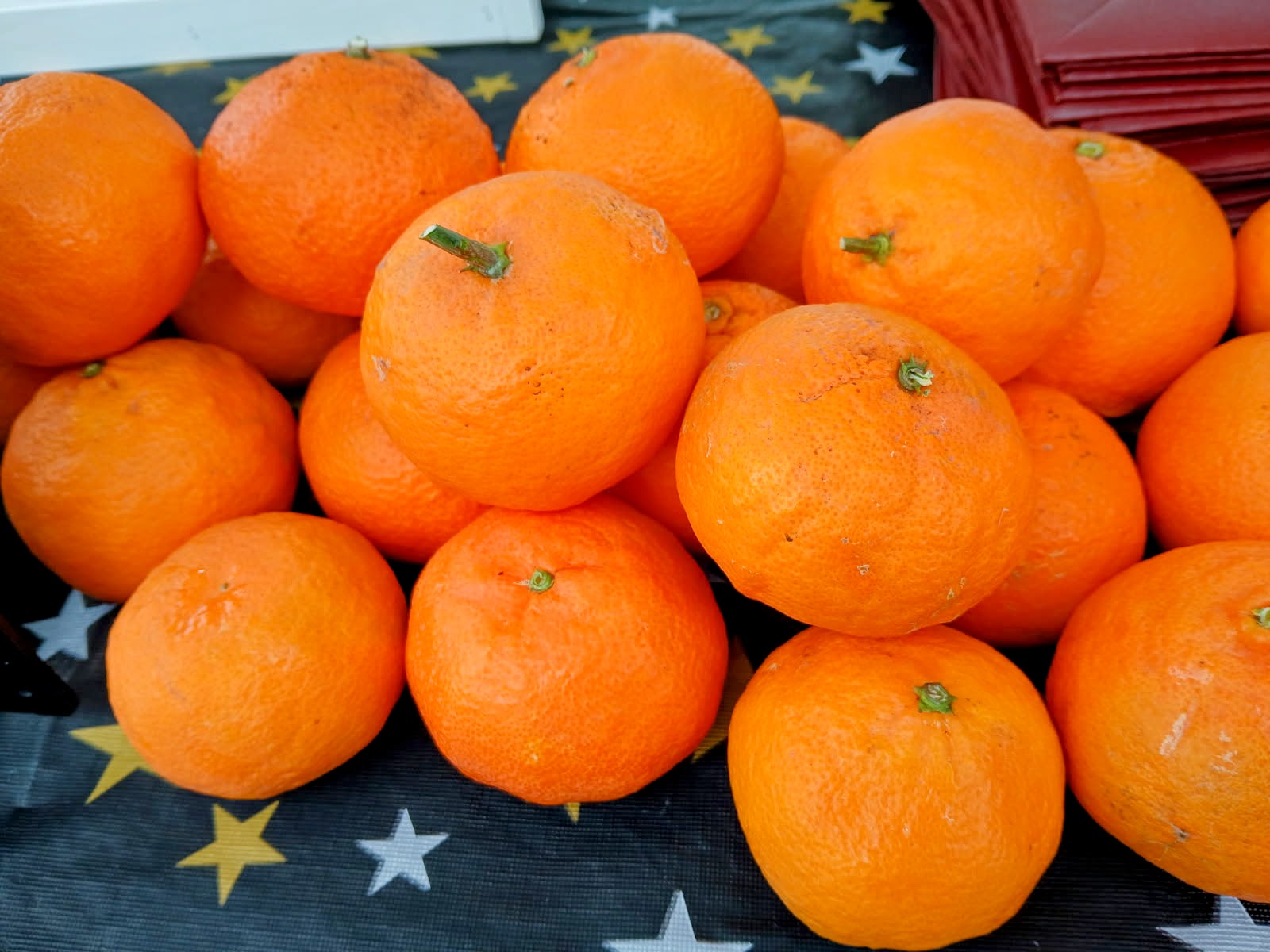
Mandarins
Our mandarins are medium sized, landing between a tangerine and a navel orange, with an easy peel, plenty of juice, and a robust flavor that is sweeter and more fragrant than most store-bought citrus. They are the kind of fruit you peel at the market, taste once, and immediately start thinking about who else needs one. You may find it impossible to have just one.
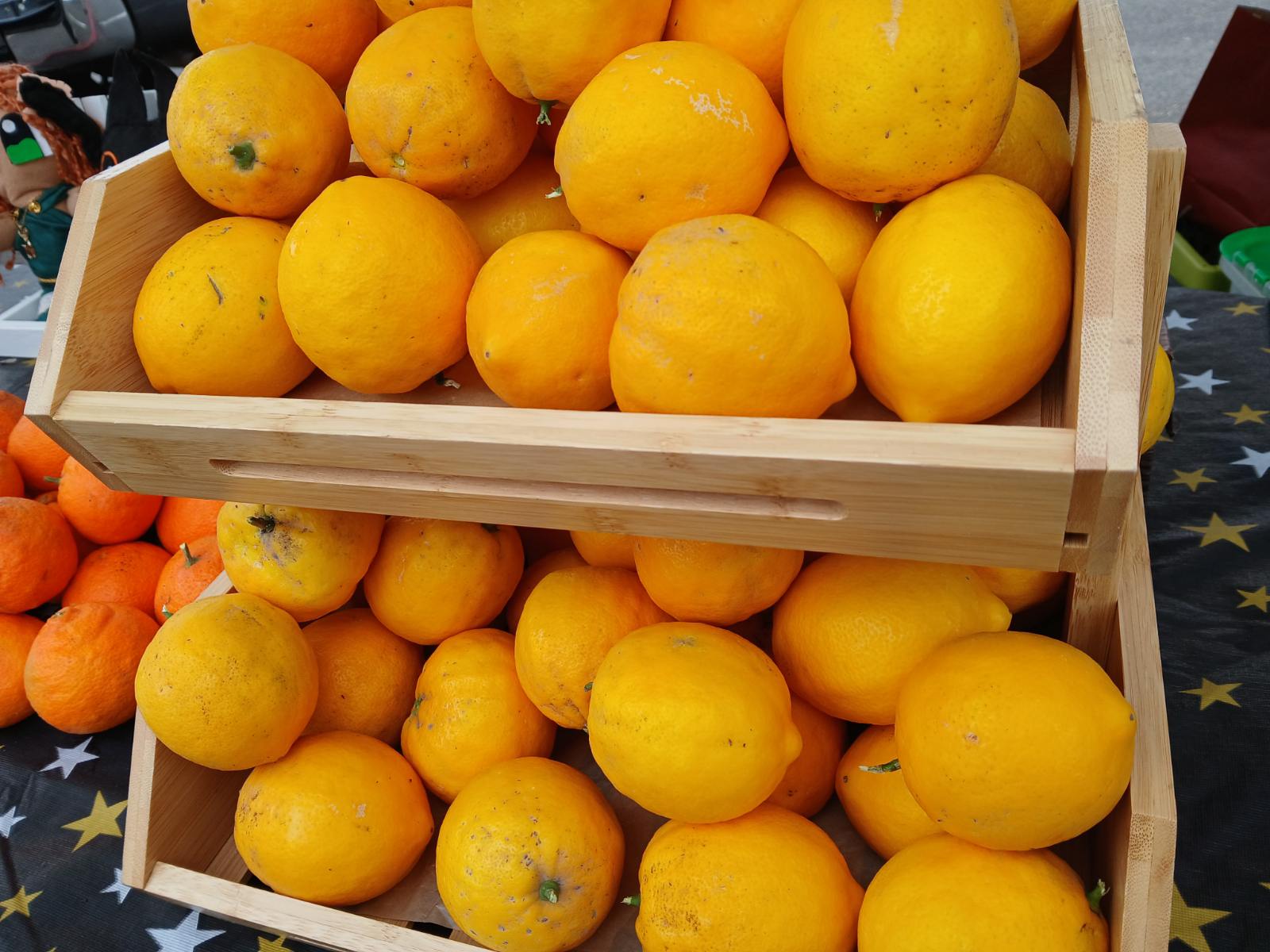
Meyer Lemons
Our Meyer lemons show off their lemon-and-mandarin heritage beautifully: golden, fragrant, easy to peel, and softer on the palate than a sharp supermarket lemon. Some grow nearly softball-sized, with enough juice and floral citrus flavor for dressings, baking, drinks, marinades, or squeezing over just about anything. Because our Meyer lemon and mandarin trees grow close together, pollinators move naturally between the blossoms, supporting fruit set across our little citrus corner.
Certified producer
What does it mean to be a certified producer?
It means Avo Nice Day is not buying fruit elsewhere and reselling it at the farmers market. We are certified by CDFA (California Department of Food and Agriculture), and certified producers go through an application, verification, and inspection process before selling at certified farmers markets.
Our certificates have to be visibly posted at our stall, and we are subject to random inspections. That accountability is why certified market banners say it plainly: We grow what we sell.
Verified growing
Certification connects the produce at the stall back to the farm where it was grown.
Visible accountability
Certifications must be posted where customers and market staff can see them.
Market trust
Inspections help protect shoppers, farmers, and the integrity of local agriculture.
What makes us special?
A very local microfarm with a natural growing philosophy.
Avo Nice Day is rooted in Long Beach, CA. We are small, seasonal, and hands-on by design, growing fruit with respect for the soil, the trees, and the ecosystem around them.
Very Local
Our avocados are grown right here in Long Beach, close to the people who enjoy them.
No Pesticides
We do not use pesticides or growth enhancers on our avocado trees.
Naturally Fertile Soil
Our trees grow in healthy, naturally fertile soil instead of being pushed by artificial enhancers.
Pollinator Friendly
Our indigenous California wildflower garden encourages bees, butterflies, and natural pollination.
A farm that is also home
This is my morning coffee view.
Avo Nice Day is not a distant farm brand or a warehouse label. It is our home, too. This Pinkerton tree is visible from the window, growing right in the middle of daily life in Long Beach.
That closeness shapes how we care for the trees. We watch the seasons change branch by branch, harvest by harvest, and we share the fruit only when it is ready.
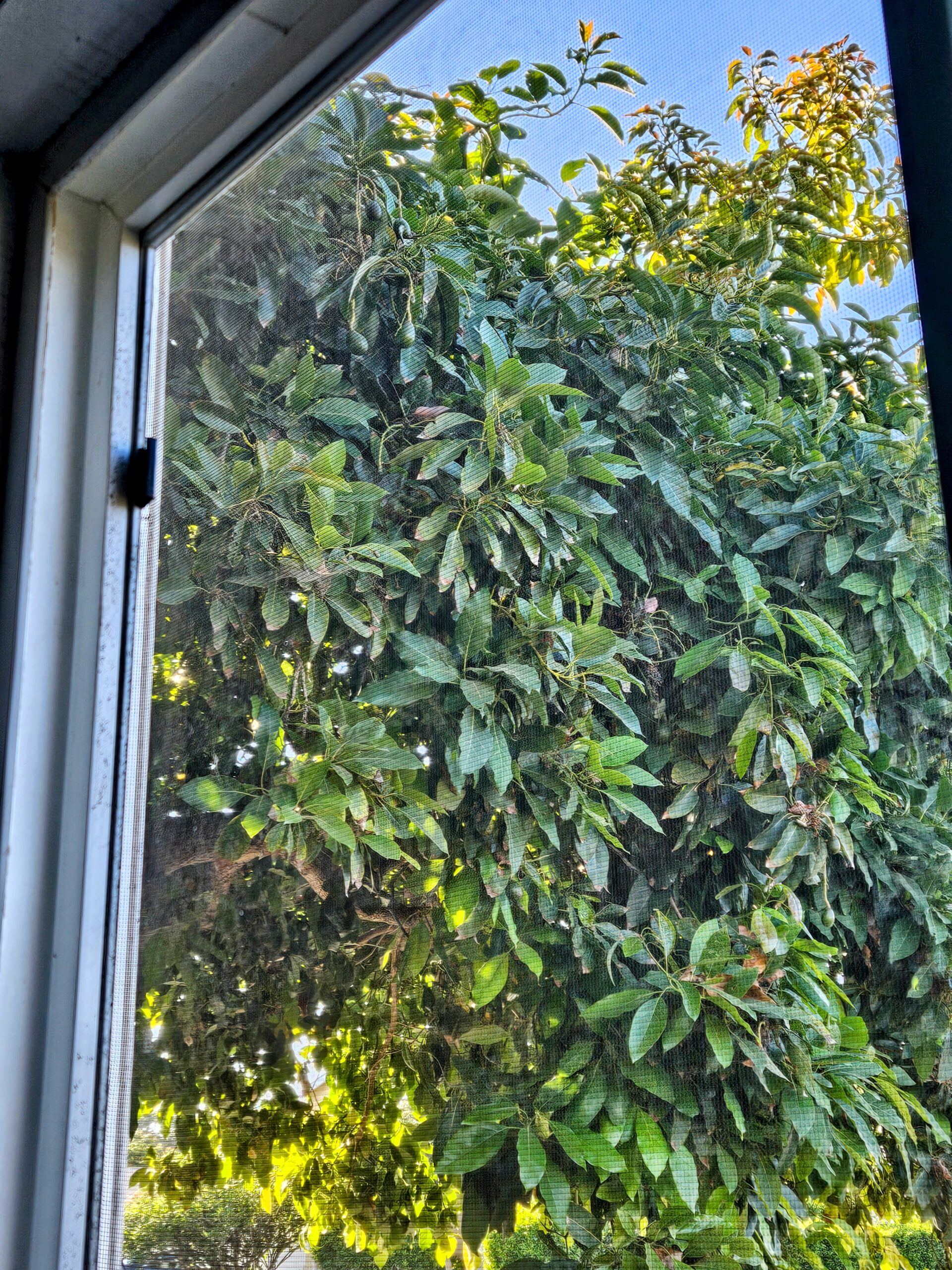
Bee and butterfly garden
Indigenous California wildflowers help the whole microfarm and local ecosystem thrive.
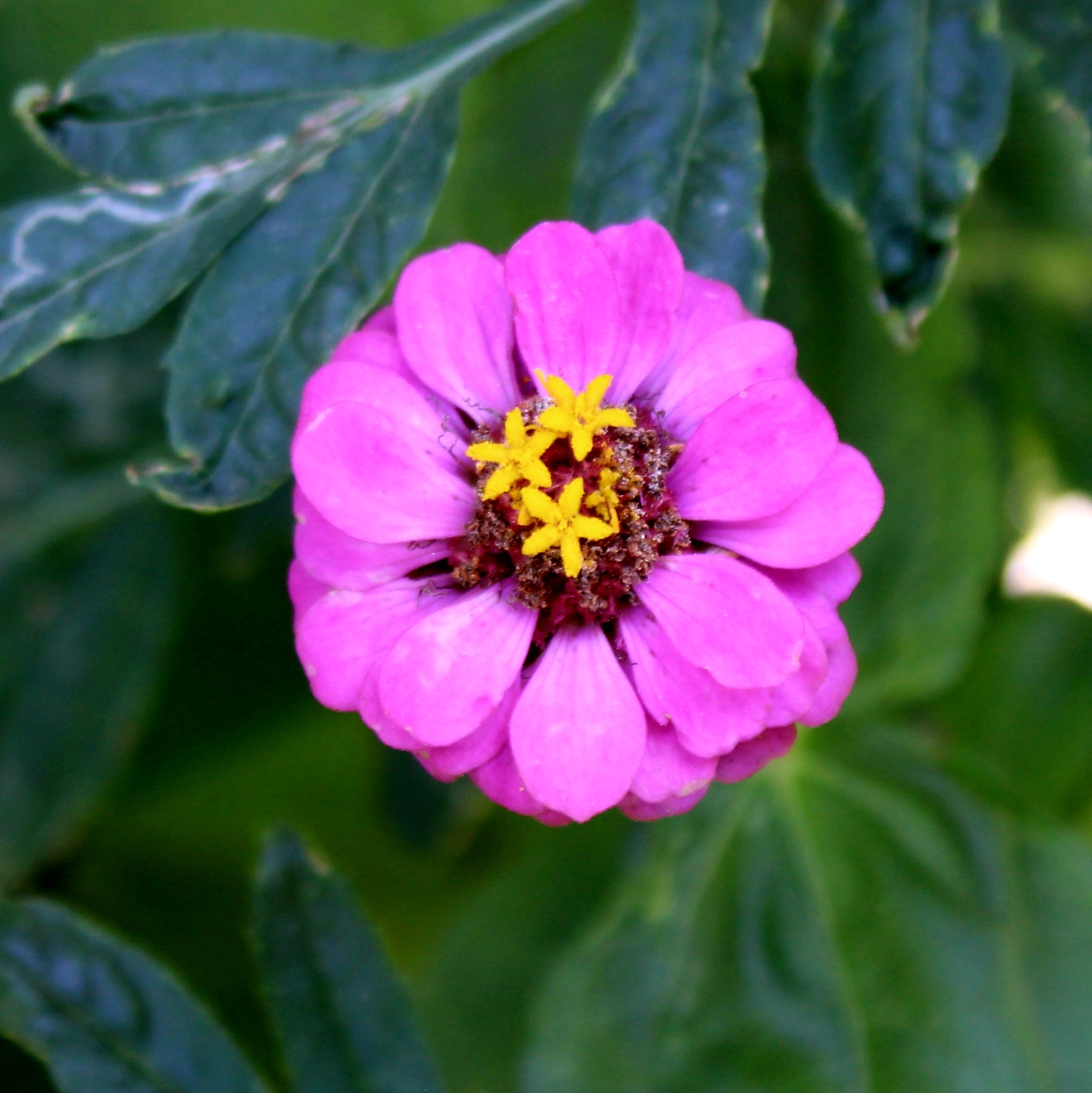
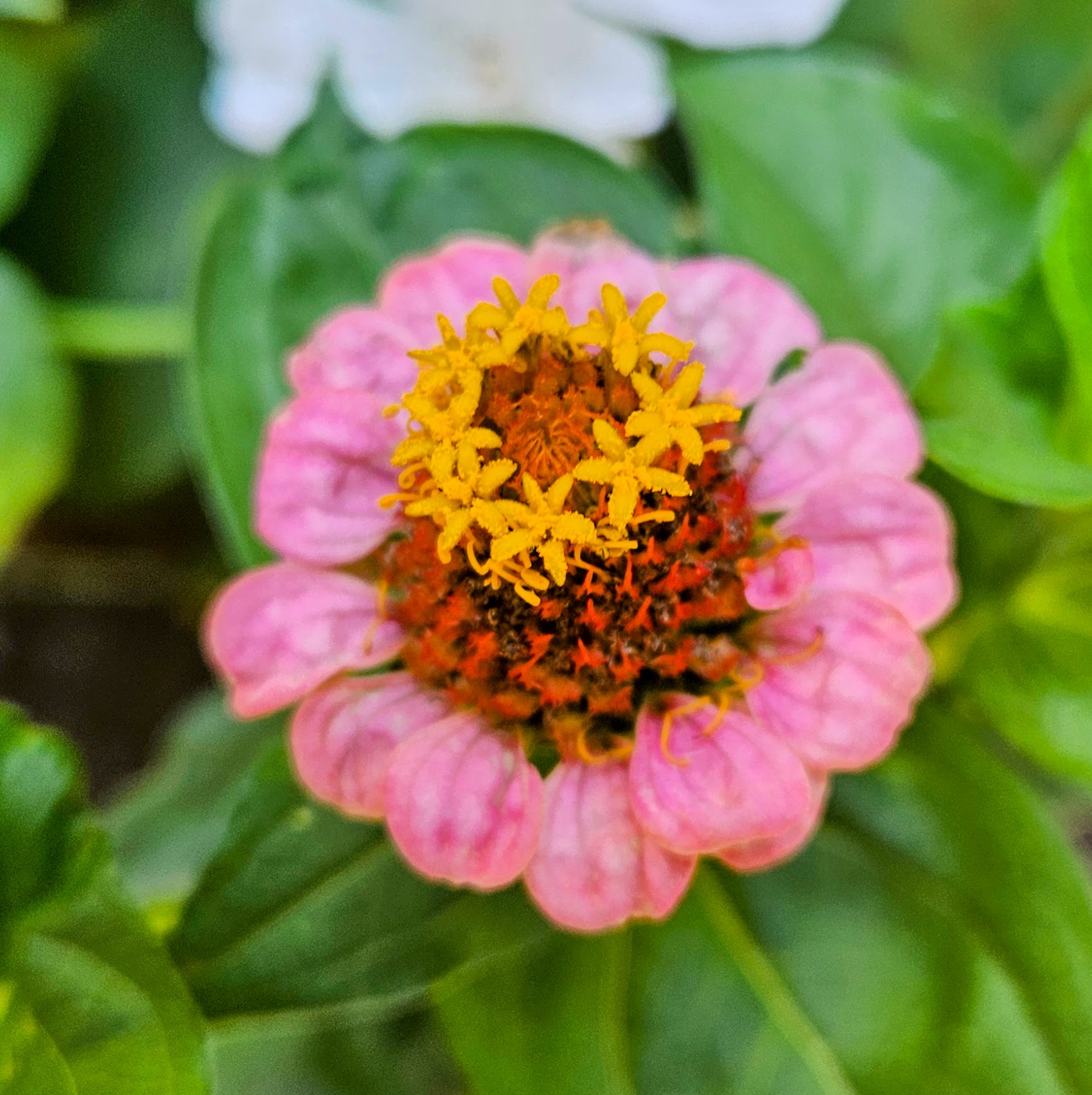
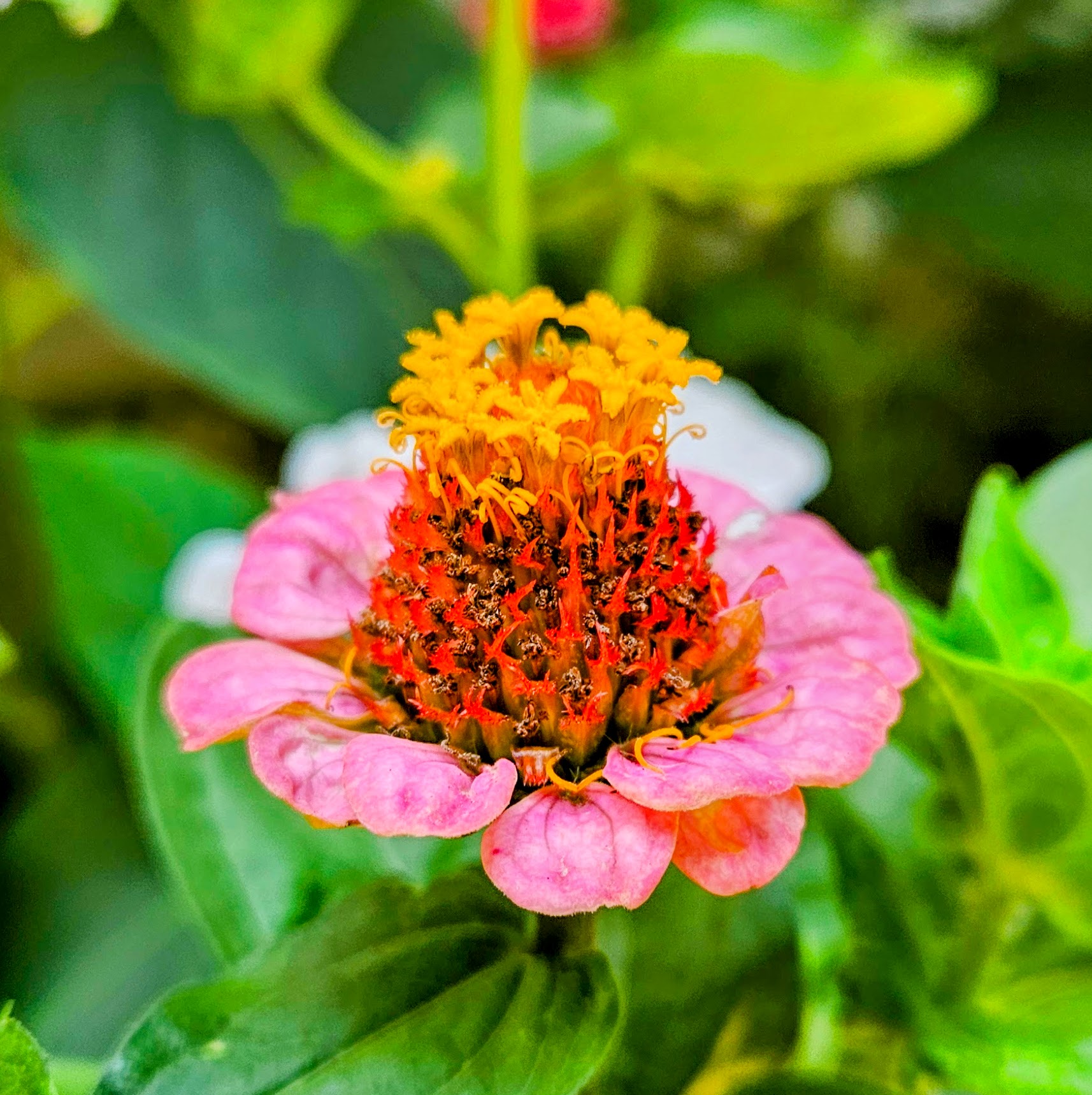
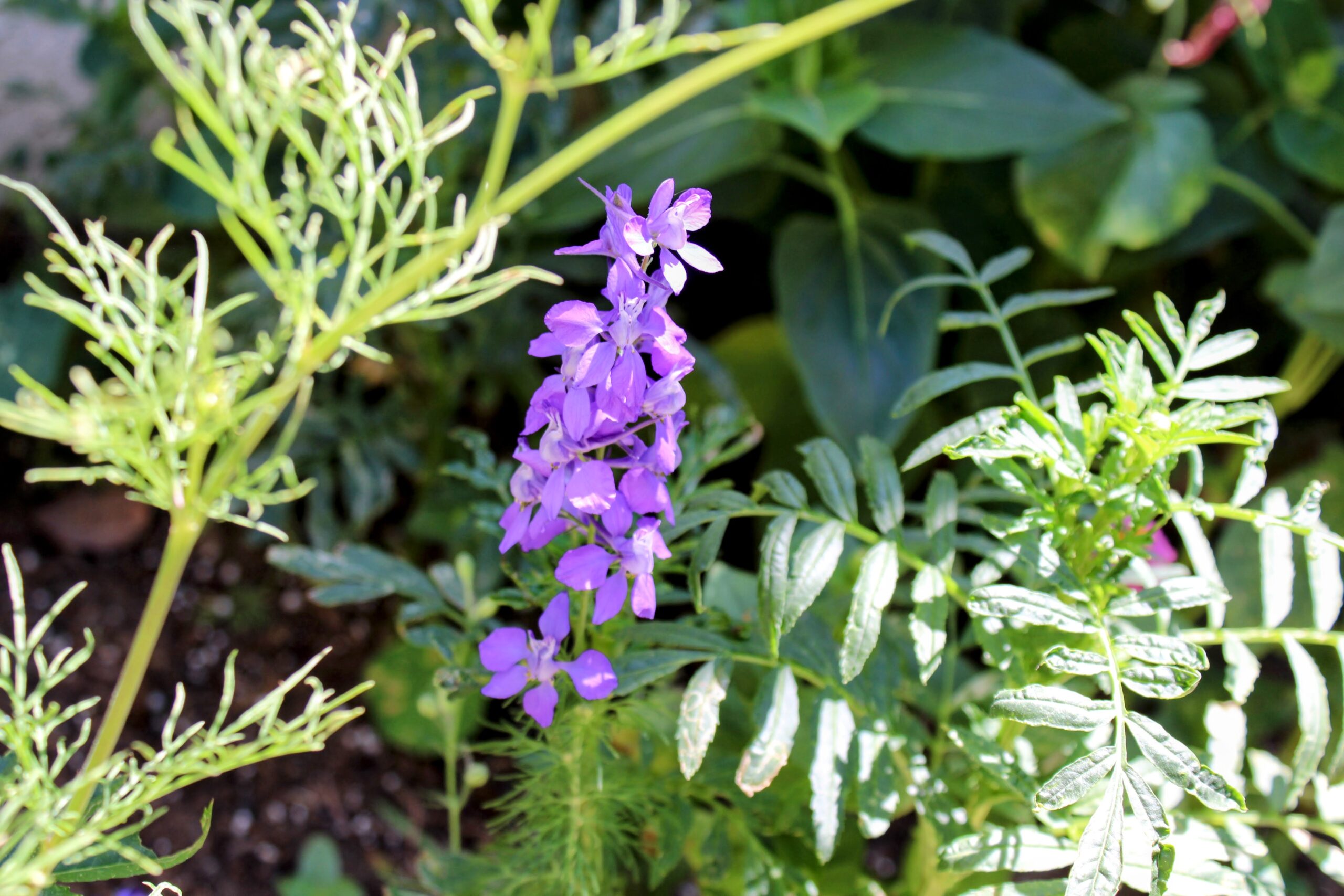
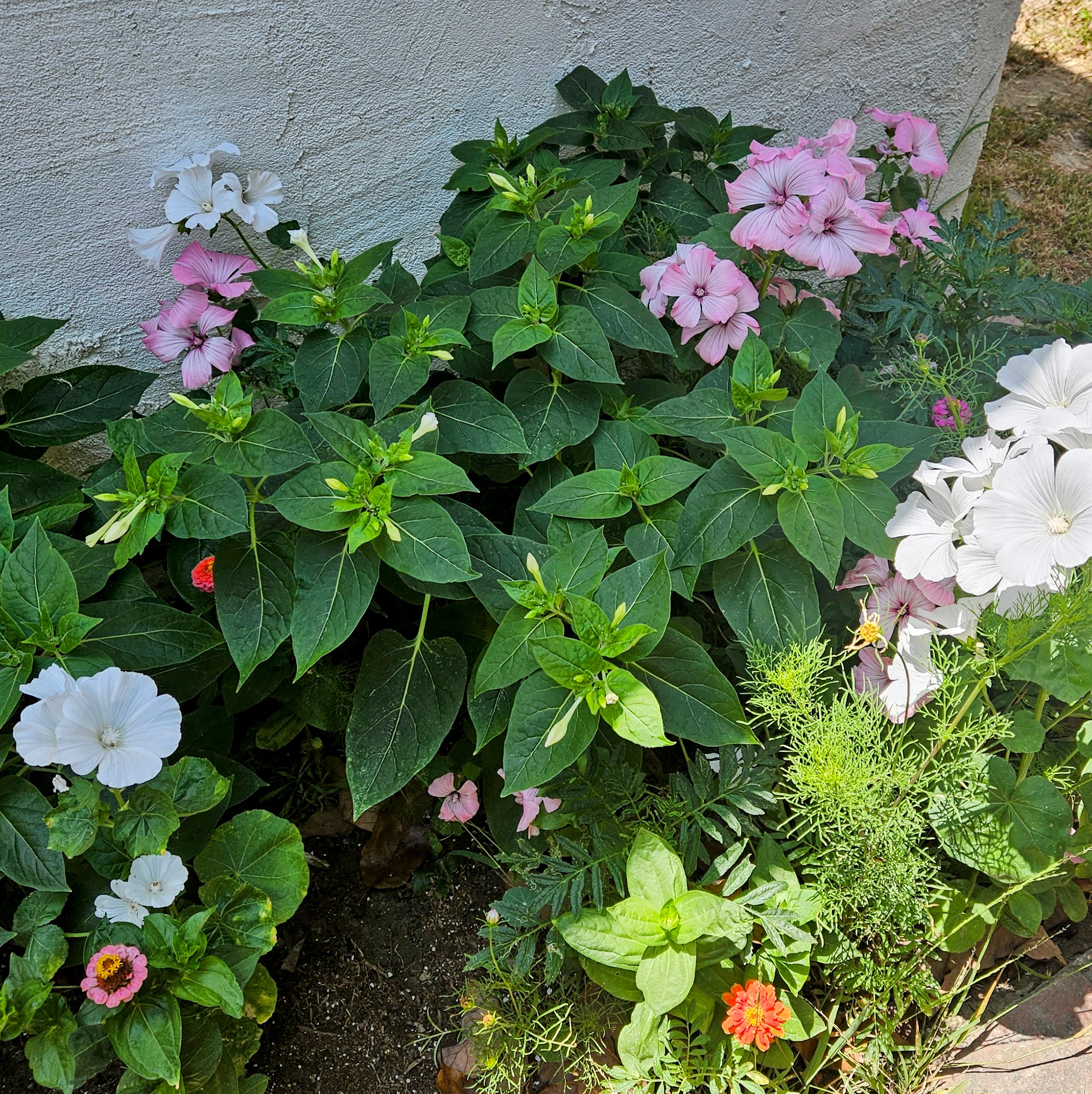
We contribute to the local ecosystem by growing a bee and butterfly garden made with indigenous California wildflowers. The garden adds color and life to the farm while encouraging the natural pollination our avocado, Meyer lemon, and mandarin trees depend on.
Perfectly manicured gardens can look lovely, but they often remove the messy, useful habitat bees, butterflies, and other local wildlife need to survive. With bee populations under pressure, we want our microfarm to offer food, shelter, and a safer landing place for pollinators instead of just ornamental landscaping.
It is a small but meaningful part of how we grow: more habitat, more pollinators, stronger natural pollination, and more support for the wildlife that shares our Long Beach neighborhood.
Avocado FAQ
A few things to know before you bring your avocados home.
Why do grocery-store avocados sometimes taste watery?
Many supermarket avocados are grown for long-distance shipping, picked hard, chilled, transported, and then ripened on a retail schedule. Some disappointing avocados also come from trees or fruit that have not had enough time to fully mature before harvest. When fruit is harvested early, held cold, or rushed through ripening, it can miss the dense, buttery texture people expect from a great avocado.
Why are some avocados stringy?
Strings are the fruit's natural vascular fibers. They can become more noticeable with variety, maturity, tree stress, storage time, or late-season fruit. A stringy avocado is not necessarily unsafe, but it is usually less pleasant than fruit harvested and handled at its best.
Why do some avocados go from hard to overripe so quickly?
Avocados ripen after harvest, and ethylene exposure, warm store displays, repeated squeezing, and long supply chains can compress the ripe window. By the time an avocado reaches a grocery bin, it may already have been through several temperature and handling changes.
Is this because many grocery-store avocados are grown in Mexico?
It is more about distance and handling than the country itself. Mexico grows a huge share of the avocados sold in U.S. grocery stores, so those avocados often travel through a large export supply chain. That can mean earlier picking, cold storage, ripening rooms, and more time between tree and table. Our fruit is different because it is grown locally in Long Beach and sold seasonally, with a much shorter path from tree to customer.
Do farmers market vendors just buy grocery-store produce and resell it?
At certified farmers markets, agriculture is highly regulated and monitored. We are certified by CDFA (California Department of Food and Agriculture), and farmers go through a rigorous certification process that includes inspections. Certified producers are expected to sell what they grow. We also have to keep our certifications visibly posted at our stalls and are subject to random inspections. That is why certified farmers market banners include the required language "We grow what we sell". It is there for a reason: it helps shoppers know they are buying directly from the people who grew the food, not from someone marking up grocery-store produce.
Are your products organic?
In California, the word "organic" is a highly regulated label designed to protect consumers, with formal standards, certification, records, and enforcement. That process can be cost-prohibitive for small microfarms and is often built around larger-scale farms and agricultural businesses, so we do not describe our produce as organic unless we have that specific certification. What we can say is this: we do not use pesticides or GMOs, and our avocados, Meyer lemons, and mandarins are grown naturally in healthy soil.
How should I store Avo Nice Day avocados?
Let firm avocados ripen at room temperature. Once they have a gentle give near the stem, enjoy them soon or move them to the refrigerator to slow the ripening. Our Pinkertons are special because they remain fresh and edible for several days after ripening.
Find both stalls
We are also the owners of Doggo Nice Day, because the Nice Day says it all.
When you visit us at the farmers market, you may find both of our stalls there. Avo Nice Day is our agriculture stall, where you will find our locally grown avocados and seasonal citrus. Doggo Nice Day is a separate stall for the dogs who make market mornings even happier, with very unique small-batch, belly-friendly treats for every day and special occasions.
With both stalls, our goal is simple: bring a little joy to everyone's day. Whether you stop by for rare local avocados, bright seasonal citrus, or something special for your dog, we want you to leave smiling.
Farmers markets are valuable community assets because they make food personal again. They give neighbors the chance to meet the people who grow, bake, cook, and make what they bring home, and over time those quick market conversations can become real friendships.
Local money stays local
Supporting local farmers and makers keeps more dollars circulating in the community instead of disappearing into distant supply chains.
Shorter paths from farm to table
Buying closer to home can reduce the distance food travels, which is better for freshness and gentler on the environment.
Relationships build trust
At a farmers market, you can ask how something was grown, when it was harvested, and what makes it special directly from the person behind the table.
Ecosystems matter
Supporting small local farms helps encourage growing practices that care for soil, pollinators, wildlife, and the ecosystems that make good food possible.
Early harvest • Now through October 2026
Here early. Gone after October.
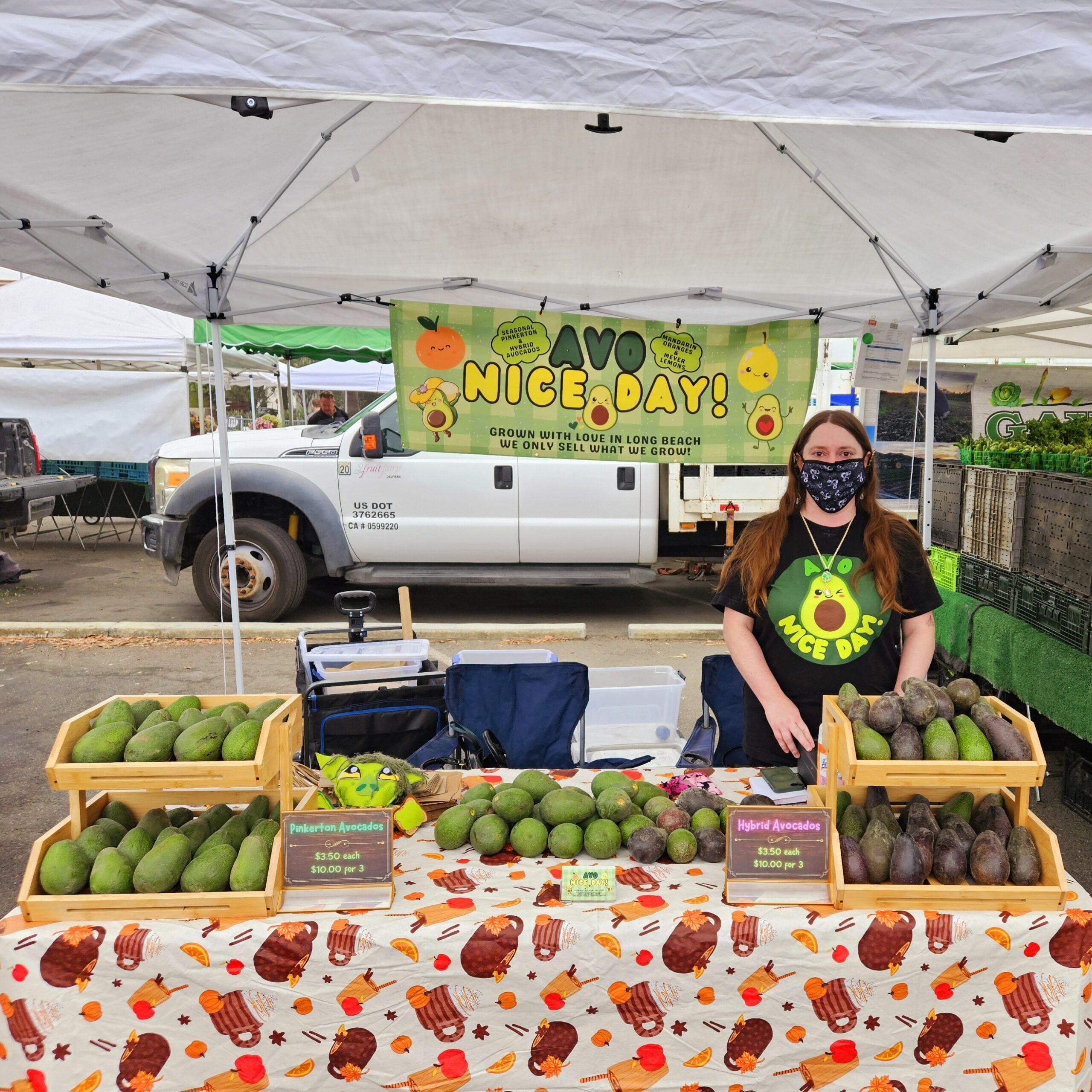
An unusual season has given us an early harvest, and we are now selling our rare, locally grown avocados at the farmers markets! Bring home these creamy, buttery beauties through the end of October. Our regular season begins again in January.
Fridays • 9am–2pm
Seal Beach Pier
Start your weekend with something rare.
Directions to Seal Beach Pier ↗Saturdays • 10am–3pm
Bixby Park
Make room in your market bag for a local favorite.
Directions to Bixby Park ↗Both markets are rain or shine! Bring your market bag — we will see you there.
Do not let this bonus season pass you by.
Rare trees. A tiny Long Beach microfarm. An unexpected chance to enjoy them early. These beauties are here only through the end of October, then the wait begins until January. Make this weekend your avocado weekend.